Even smaller retailers can take advantage of the JIT method to streamline the delivery process. For example, a company that markets office furniture but does not manufacture it may order the furniture from the manufacturer only when a customer makes a purchase. Kanban is a Japanese scheduling system that’s often used in conjunction with lean manufacturing and JIT. Taiichi Ohno, an industrial engineer at Toyota, developed kanban in an effort to improve manufacturing efficiency. One example of a JIT inventory system is a car manufacturer that operates with low inventory levels but heavily relies on its supply chain to deliver the parts it requires to build cars on an as-needed basis.
- This method helps lower costs and improve efficiency throughout the entire supply chain.
- Think about those perfectly made french fries and burgers prepared only when you place your order.
- A just-in-time (JIT) inventory system is a management strategy that has a company receive goods as close as possible to when they are actually needed.
- This is especially useful in fast-moving industries where trends shift rapidly.
- In this article, we will discuss the historical development of Just in Time, its advantages, and disadvantages, and how Toyota has successfully implemented it.
- In JIT, quality control happens at the source, directly on the production line.
- Apple’s chief executive officer (CEO) Tim Cook parlayed the 16 years of supply management experience he gained working at IBM and Compaq Computers to entirely revamp Apple’s manufacturing process.
Inventory Management Strategies
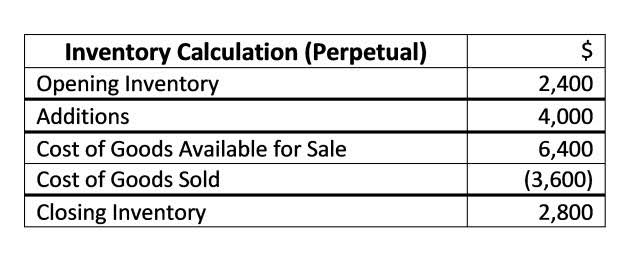
When supply chains break down, companies using JIT may find themselves scrambling for materials at premium prices. Without buffer stock, companies just in time example relying on JIT must have strong supplier relationships and contingency plans in place to prevent disruptions. The goal is to create a continuous flow of materials and components, eliminating bottlenecks and disruptions that could slow down operations. Today, real-time monitoring tools are critical in achieving quality at the source. Smart tracking and AI-powered solutions allow manufacturers to immediately detect quality variations, helping operators take corrective action before defects spread. Anyone successful at implementing JIT understands that Kaizen is a daily commitment.
- Keep your inventory control and learn how to use the ABC Curve with this free material.
- We will also look at examples of how JIT is being used effectively in the modern manufacturing world.
- Often, you may have to purchase raw materials with higher costs which in turn affects your margin.
- So, if a car assembly plant needs to install airbags, it does not keep a stock of airbags on its shelves but receives them as those cars come onto the assembly line.
- Finally, the best workplace management systems have a user-friendly, intuitive design.
What Is the Benefit of Just-in-Time Inventory?
- Other automakers, including Ford and Honda, have adopted similar strategies.
- Explore how just-in-time principles optimize efficiency and reduce waste across industries, from manufacturing to healthcare and retail operations.
- That’s because they keep an eye on demand and have the menu items at an almost ready to go state.
- The manufacturing unit then contacted the supplier for the necessary parts to produce the cars.
- In this system, each stage on the production line runs according to demand from the previous stage.
- In the 1970s, Taiichi Ohno, Toyota’s production supervisor, designed the JIT system to eliminate waste in production processes and use resources more efficiently.
For JIT to work, real-time communication between suppliers, production teams, and inventory managers is essential. Any delay in material delivery can halt Interior Design Bookkeeping production, so businesses must synchronize their operations using digital tools and automated inventory systems. When properly implemented, JIT creates a lean, agile, and cost-effective supply chain. It cuts down on storage expenses, reduces waste, and ensures businesses can quickly adapt to market shifts. JIT or Just in Time, is system in operations management under which the production is made as per the demand at that particular moment. Under JIT, the manufacturing process is highly efficient with limited wastage, high quality control, adherence to schedules & a seamless continuous throughput.
What Are Some Examples of Just-In-Time Inventory Processes?
The just-in-time inventory system is different from the just-in-case system, where producers hold sufficient inventories to have enough products to absorb maximum market demand. While digital twins predict the need for maintenance based on simulations, sensors can provide a JIT warning of emergent problems based on the performance of the actual asset. Applying JIT principles to optimizing office space utilization starts with using reliable space management systems and occupancy sensors trial balance to automatically monitor desks, meeting rooms and office floor areas. The data gathered from these sensors, including percentage overcapacity, occupancy and room usage, can be integrated with other smart office systems, like workplace scheduling.
History of Just-in-Time Inventory Management

Health care facilities managers can help bridge that gap, bringing added value to their organizations by helping them understand the benefits of providing just what they need and just when they need it. In recent years, more businesses have switched to JIT manufacturing due to issues like trade disputes and shipping delays. These problems make it challenging to hold large amounts of inventory. By using JIT, companies rely on smaller, more frequent deliveries, allowing them to keep less stock on hand and adapt quickly when circumstances change. Since you will have to procure fast, the option to scope and choose the best supplier goes away. Often, you may have to purchase raw materials with higher costs which in turn affects your margin.